
Six in 10 adults don't know what AMR is, despite rising superbug threat
New polling commissioned by Medical Research UK for World AMR Awareness Week.

Six in 10 UK adults haven't heard of AMR or don't know what it is.
Two thirds have needed repeat antibiotic treatment, yet only one in 10 feel confident they know exactly what antimicrobial resistance is.
This is according to an Opinium poll* commissioned by Medical Research UK for World AMR Awareness Week, which shows that many people remain unfamiliar with AMR and its life-threatening consequences.
AMR is an escalating global health crisis.
Antimicrobial resistance (AMR) occurs when bacteria, viruses, fungi and parasites evolve and no longer respond to medicines designed to treat them, making infections harder, and sometimes impossible, to treat.
Drug-resistant infections directly caused an estimated 1.27 million deaths worldwide in 2019, and the threat is expected to grow substantially in the coming years, with researchers forecasting almost two million deaths a year directly attributable to AMR by 2050.
New government surveillance data shows more than 400 antibiotic-resistant infections were recorded every week in England in 2025. Health officials say AMR is already increasing the burden on hospitals and complicating the treatment of serious infections.
Despite this, our new polling shows AMR is woefully overlooked.
Make more research happen
Your support can help fund life-changing medical research into neglected health conditions – and bring us closer to a fairer, healthier future for every mind and every body
Support usSix in 10 UK adults
haven’t heard of antimicrobial resistance or don’t know what it is.
What does the polling show?
People just don't know what AMR is
According to Medical Research UK’s new polling, six in 10 (59%) UK adults haven’t heard of antimicrobial resistance or don’t know what it is.
Only 11% say they know exactly what it is.
We underestimate the threat
Only 55% believe AMR will have a significant impact on people's health over the next 20 years when the term is presented without explanation.
But after seeing a definition of AMR, this rises sharply to 77%, putting it alongside major health challenges such as dementia, cardiovascular disease and breast cancer.
Most people have needed repeat antibiotics
Two thirds of people have needed to take more than one course of antibiotics to treat an infection during their lifetime, with 39% needing to do this multiple times.
While repeat antibiotic treatment can occur for many reasons and is not always due to antimicrobial resistance, it may be needed when infections become more difficult to treat, including as a result of resistant bacteria.
1.27 million people
died from AMR in 2019
These findings come as 22-year-old pharmacy student Amy shares how a drug-resistant infection left her fighting for her life during her second year at university.
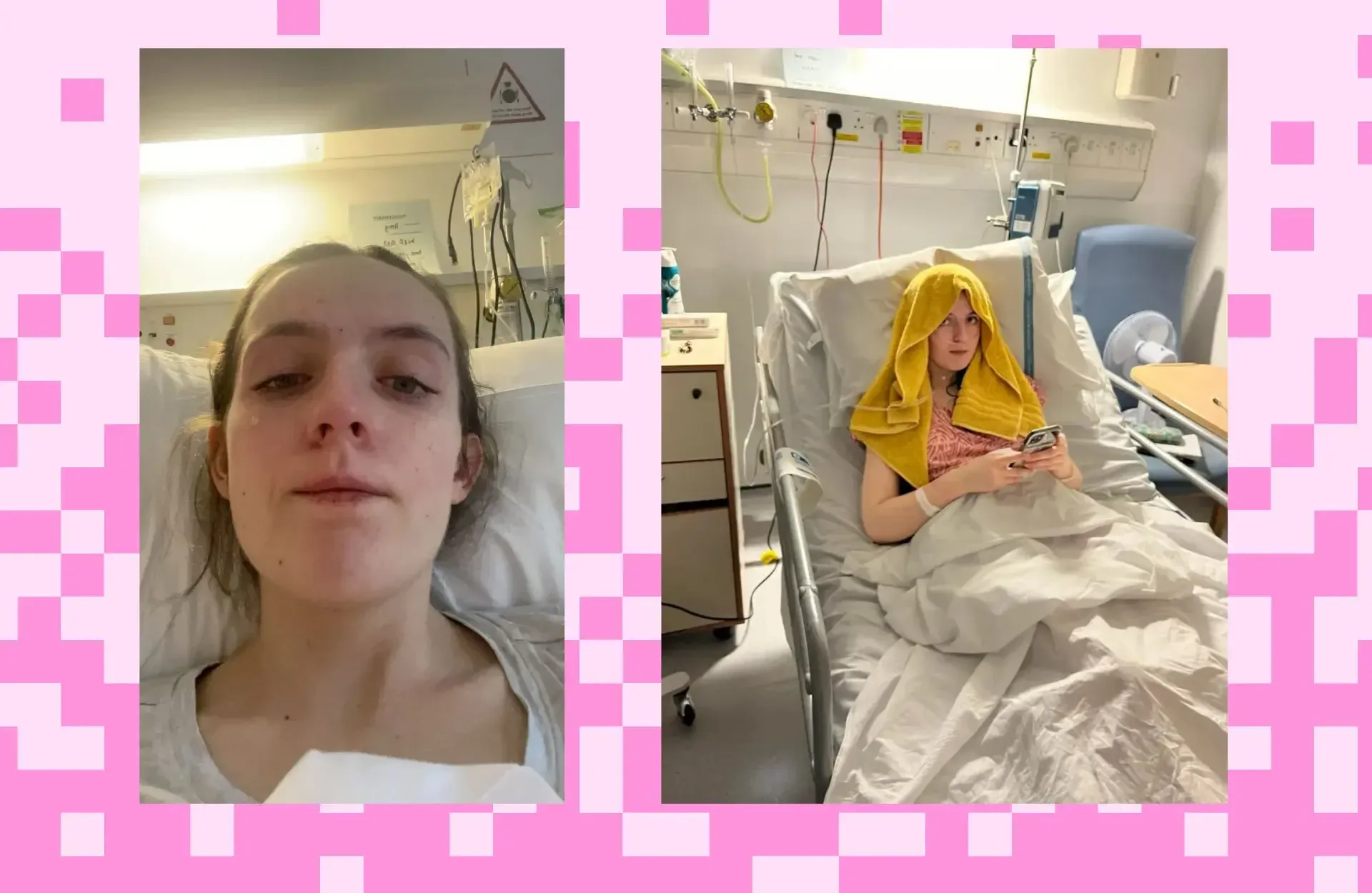
I took myself to hospital using my hockey stick as a crutch – I couldn’t hold myself upright without it
Amy's story
"I don't think enough people understand how much a drug-resistant infection can change your life. One day you're living a completely normal life and the next you're critically ill.”
For Amy, AMR is not an abstract future health concern but a reality she has lived through.
After developing severe pain in her hip while studying at university in Manchester, she was eventually diagnosed with a large abscess and sepsis.
“I took myself to hospital using my hockey stick as a crutch – I couldn’t hold myself upright without it. The first night there was one of the scariest nights of my life.
“It was a few days later when I was told by doctors that I had a drug-resistant form of MRSA that wasn’t responding to the antibiotics I’d been given. I was really fighting for my life at this point.”
Doctors tried different antibiotic treatments before eventually finding a combination that could fight the infection. Amy spent four weeks in hospital and required several more weeks of treatment after being discharged.


Five stories that show why tackling superbugs matters
Meet Amy, Luke, Laila, Russell and Marie. Their lives have been changed by drug-resistant infections.
Read their storiesSuperbugs need to be talked about more and we need more research so that people can continue living healthy lives
Now in her final year studying pharmacy, Amy is still living with the long-term consequences of the infection.
“I’ve since been told I’ve been left with the hip of an 80-year-old and some days it really does feel like that.”
Amy has had to give up playing hockey and feels she will never get back to the fit, active person she was.
"I don't think enough people understand how much a drug-resistant infection can change your life," Amy says.
"One day you're living a completely normal life and the next you're critically ill.
"Superbugs need to be talked about more and we need more research so that people can continue living healthy lives,” says Amy. No one deserves to lose their life to an infection that couldn't be treated by antibiotics."
Research can change the future of superbugs
Experts say that while AMR is often associated with infections, its impact extends much further.
Effective antibiotics, antifungals and antivirals are essential for many aspects of modern medicine, including surgery, childbirth, cancer treatment, organ transplantation, intensive care and the treatment of common infections.
As drug-resistant infections continue to threaten modern medicine, investment in research has never been more important.
Medical Research UK has already committed more than £4 million to AMR research, with further funding to be announced in early 2027.
Be the first to hear about how we're fighting the superbugs
Join our list of email supporters and you'll be the first to hear about our research updates, including details of our newly funded work for AMR
SubscribeAwareness matters because people cannot engage with a threat they do not understandDr Rebecca Aarons

Dr Rebecca Aarons, Director of Research at Medical Research UK, said:
"Antimicrobial resistance can affect us all, yet our polling shows that only around one in ten people feel confident they know exactly what it is, and four in ten have never heard of it. Awareness matters because people cannot engage with a threat they do not understand.
"What's particularly striking is that once people are given a simple explanation of antimicrobial resistance, concern rises dramatically. People recognise that effective antimicrobials underpin everything from routine surgery to cancer care and organ transplantation.
"If we fail to stay ahead of drug-resistant infections, the consequences will be felt across society. That's why investing in research is so important. By backing talented researchers to tackle antimicrobial resistance, we can accelerate the discoveries needed to protect modern medicine, reduce health inequalities and ensure more people live longer, healthier lives."
*Polling by Opinium on behalf of Medical Research UK. The survey explored awareness and understanding of antimicrobial resistance among 2,000 UK adults (weighted to be nationally representative). Fieldwork was conducted between 6th – 10th November 2026.
Five stories that show why tackling superbugs matters
Meet Amy, Luke, Laila, Russell and Marie. Their lives have been changed by drug-resistant infections.
Their stories show the devastating impact superbugs can have – and why more research is urgently needed.
